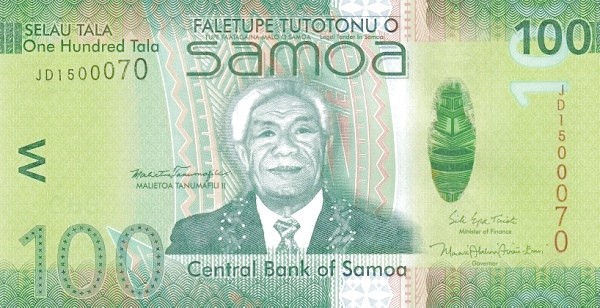
Samoan Tala2017WST1002017WST102017WST202017WST502017WST5
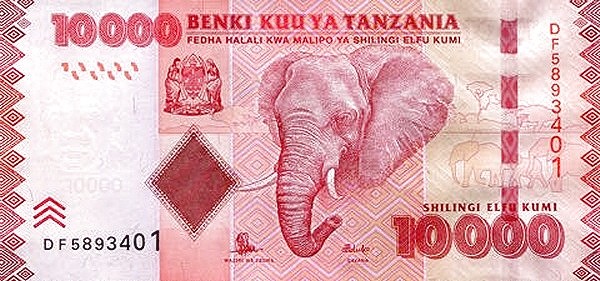
Tanzanian Shilling2015TZS100002010TZS10002015TZS20002015TZS50002010TZS500
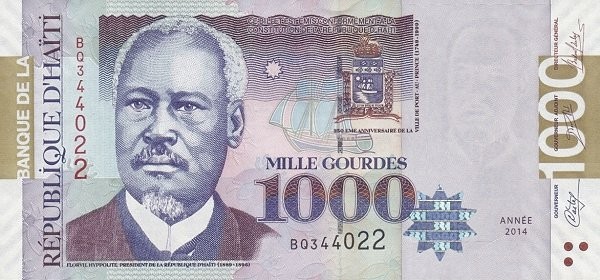
Haitian Gourde2014HTG10002014HTG1002013HTG102014HTG2502004HTG252014HTG5002014HTG50
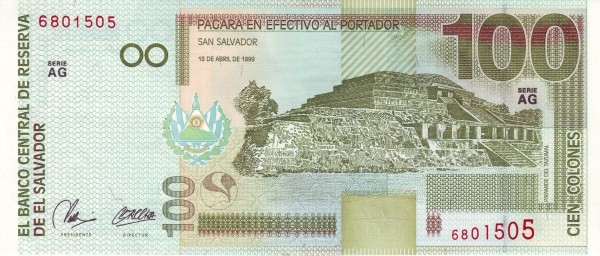
Salvadoran Colon1999SVC1001999SVC101999SVC2001999SVC251999SVC501999SVC5
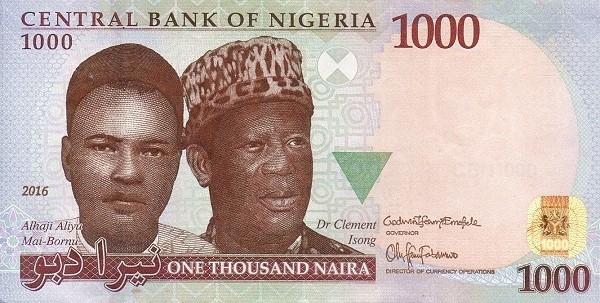
Nigerian Naira2016NGN10002014NGN1002016NGN102016NGN2002016NGN202015NGN5002016NGN502015NGN5
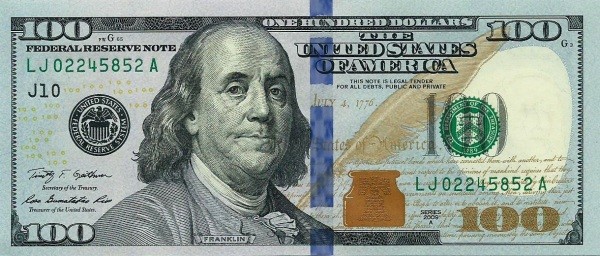
The US Dollar is the currency of the United States of America and several other countries and territories. It is also the most widely used currency in international trade and finance, and the main reserve currency of the world. Here is a brief introduction of the US Dollar:The US Dollar was
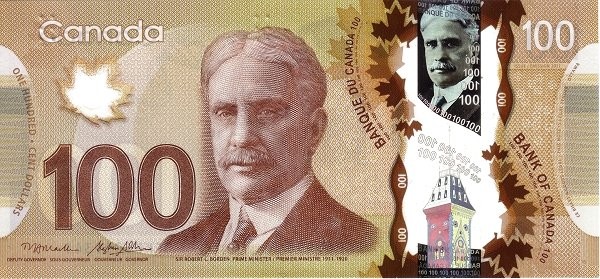
Canadian Dollar2011CAD1002018CAD102012CAD202012CAD502013CAD5
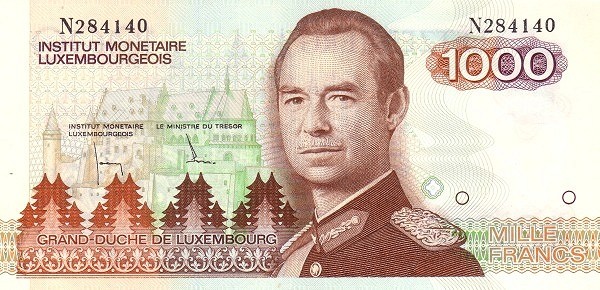
The Luxembourg franc was the currency of Luxembourg from 1854 to 2002, except from 1941 to 1944, when it was replaced by the German Reichsmark during the Nazi occupation. The Luxembourg franc was initially equal to the Belgian franc, and both currencies were part of the Latin Monetar
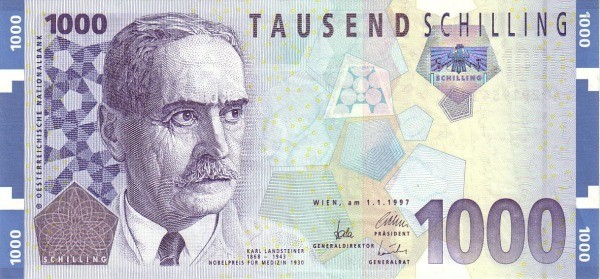
The Austrian Schilling was the official currency of Austria for over 60 years, from 1925 to 2002. It was introduced to replace the Austro-Hungarian krone after World War I and was later replaced by the Euro. During its time as the national currency, it underwent several changes in design and value, including a major revaluation in 1947. The Schilling was widely used in Austria and was also accepted in some neighboring countries, such as Germany and Italy. Today, it is a relic of the past and is