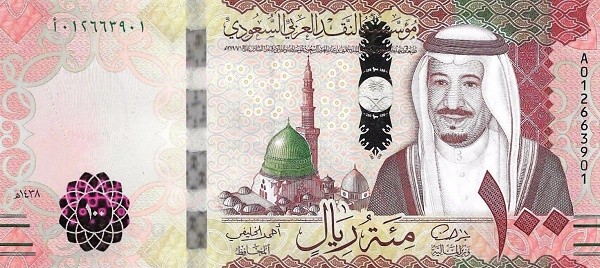
Saudi Riyal2016SAR1002016SAR102016SAR5002016SAR502016SAR5
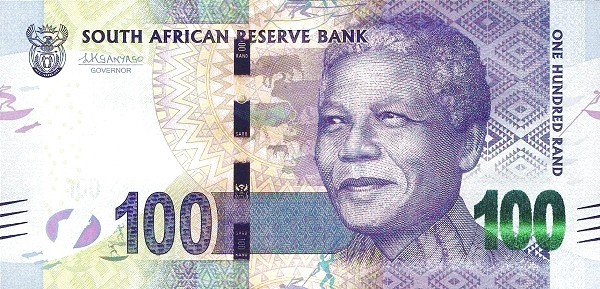
South African Rand2016ZAR1002016ZAR102016ZAR2002012ZAR202016ZAR50
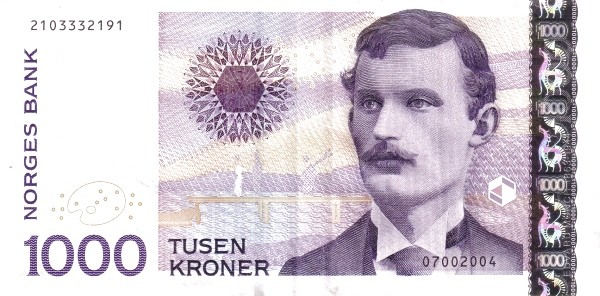
Norwegian Krone2004NOK10002016NOK1002016NOK2002018NOK5002017NOK50
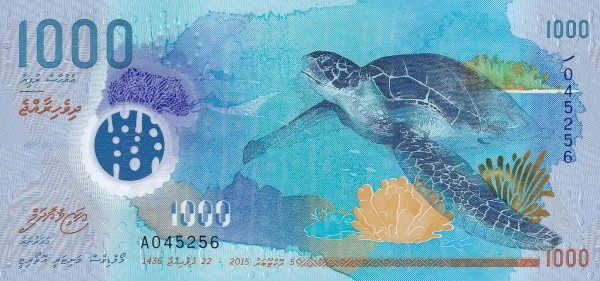
Maldivian Rufiyaa2015MVR10002015MVR1002015MVR102015MVR202015MVR5002015MVR502017MVR5
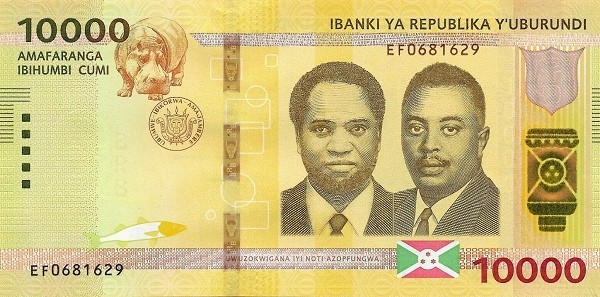
Burundian Franc2018BIF100002015BIF10002018BIF20002018BIF50002018BIF500
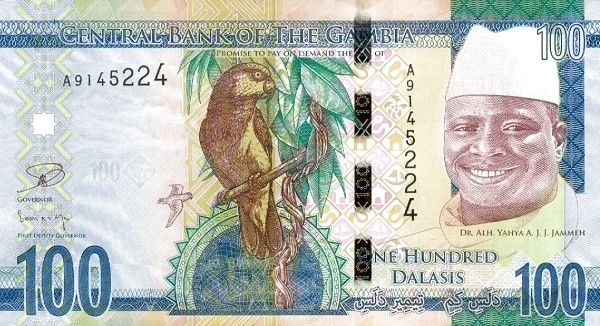
Gambian Dalasi2015GMD1002015GMD102015GMD2002015GMD202015GMD502015GMD5
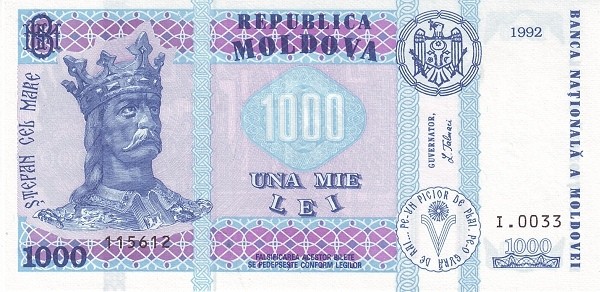
Moldovan Leu1992MDL10002015MDL1002015MDL102015MDL12015MDL2002015MDL202015MDL5002013MDL502015MDL5
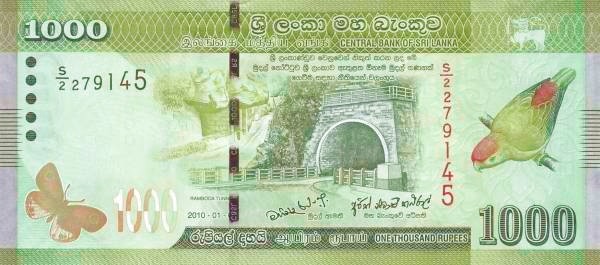
Sri Lankan Rupee2010LKR10002015LKR1002015LKR202015LKR50002015LKR5002015LKR50
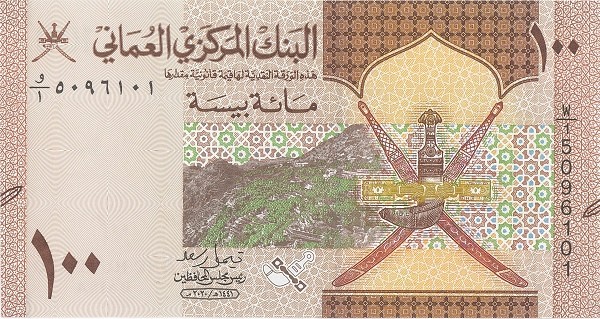
The Omani Rial is the official currency of Oman. It is denoted by the symbol "﷼" and is subdivided into 1000 baisa. The Omani Rial is issued and regulated by the Central Bank of Oman.One notable aspect of the Omani Rial is its stability. The currency has been pegged to the United States Dollar since 1986, with an exchange rate of 1 Omani Rial equal to 2.60 USD. This pegging has helped to maintain a consistent and reliable value for the Omani Rial, which has contributed to Oman's e